The Benefits of Dental Implants Over Traditional Dentures
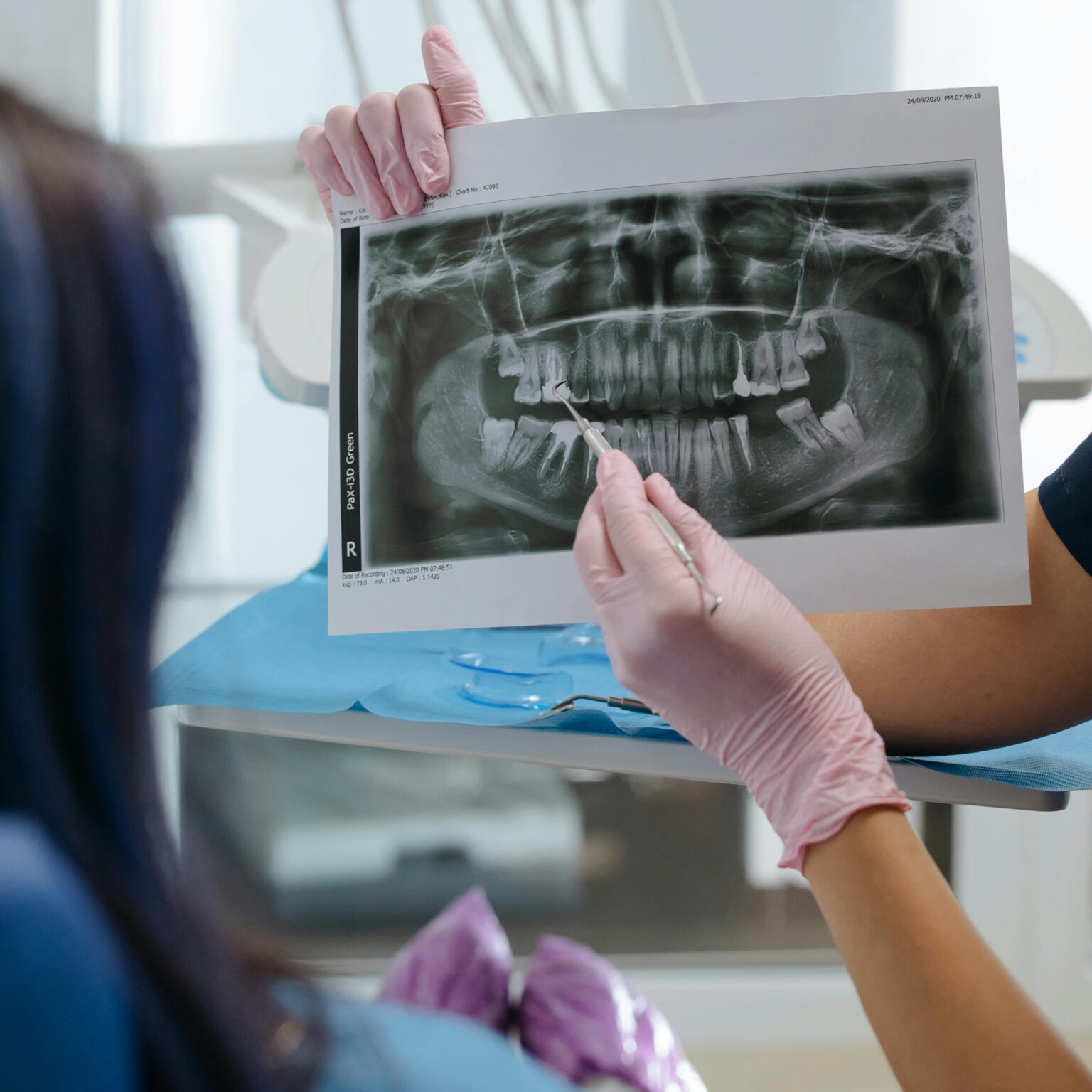
Losing teeth changes more than a smile. It alters the way people eat, the way they speak, and often the way they carry themselves in a room. In practice, that shift can happen quickly. A patient who was outgoing and relaxed before major tooth loss may begin covering their mouth when they laugh, declining dinners out, or avoiding foods they once enjoyed without a second thought. Restoring teeth is not simply a cosmetic exercise. It is a functional, structural, and deeply personal decision.
For many years, traditional dentures were the standard answer for missing teeth, especially when several or all teeth had to be replaced. Dentures still have an important place in dentistry, and for some patients they remain the right treatment. But when people compare long-term comfort, function, stability, and preservation of oral structures, dental implants often offer clear advantages. The difference is not subtle. It shows up at mealtimes, in conversation, and over the span of many years.
Understanding why implants perform differently starts with one basic point: a denture sits on top of the gums, while an implant is anchored in the jawbone. That single distinction shapes almost everything that follows.
What makes implants fundamentally different
A natural tooth has a root embedded in bone. That root transmits force into the jaw when a person chews. The bone responds to that stimulation by maintaining its density and shape. When a tooth is lost, the root disappears, and the bone in that area no longer receives normal pressure. Over time, the body begins to resorb, or shrink, that unused bone.
Traditional dentures do not replace the root. They replace only the visible part of the teeth and rely on the gum ridge for support. Even a well-made denture can move under pressure because it rests on soft tissue that compresses and changes over time. Dental implants are different because they function as artificial roots. Once integrated with the bone, they create a stable foundation for a crown, bridge, or implant-supported denture.
That matters because the mouth is not static. The jaw changes with age, bone volume changes after tooth loss, and the forces generated during chewing are significant. A restoration that works with those realities tends to be more predictable than one that simply rests on top of them.
Stability changes daily life more than most people expect
One of the most immediate advantages of dental implants over traditional dentures is stability. Patients often describe the change in plain terms: food tastes better because they can chew confidently, words come out more clearly, and they no longer spend mental energy worrying about whether their teeth might shift.
With a conventional lower denture, movement is a common complaint. The lower arch offers less surface area and less suction than the upper arch, so the denture may float or tip, especially while speaking or eating foods that require force. Adhesives can help, but they do not transform a removable prosthesis into a fixed one. Even upper dentures, which usually have better retention, can loosen when the ridge resorbs or saliva flow changes.
Implants address that instability at the source. A single missing tooth restored with an implant-supported crown does not depend on neighboring teeth for support. A patient missing several teeth may receive an implant bridge that remains fixed in place. Someone wearing a full denture may convert to an implant-retained or implant-supported option that snaps in securely or remains fixed altogether.
The practical payoff is substantial. Crunchy vegetables, firmer meats, crusty bread, and many textured foods become easier to manage. Speech improves because the teeth are not shifting against the tongue and cheeks. There is also less friction on the gums, which means fewer sore spots and less need for repeated adjustments.
Chewing efficiency is not a luxury
Function often gets overshadowed by appearance in public conversations about tooth replacement, but chewing ability affects nutrition, digestion, and quality of life. People who struggle with unstable dentures frequently adapt by choosing soft foods. At first, that might seem manageable. They cut apples into tiny pieces, avoid steak, skip nuts, and favor pasta, mashed foods, or items that require minimal chewing.
Over months and years, those choices can narrow the diet. It becomes harder to eat high-fiber fruits and vegetables, lean proteins, and other foods that support general health. This is especially relevant for older adults, who may already face nutritional challenges.
Dental implants generally allow for stronger, more efficient chewing than traditional dentures. While the exact bite force varies by case and design, implant-supported restorations tend to provide a far more secure platform. Patients often report that they no longer have to think through each bite before taking it. That ease matters. Eating should be largely automatic, not a negotiation between hunger and mechanical limitation.
I have also seen how this affects social behavior. A person who has struggled with a slipping denture may become very careful in public, choosing only foods that feel safe and chewing slowly to avoid embarrassment. Once stability is restored, that guardedness often fades. The treatment changes function first, but the emotional effect follows close behind.
Bone preservation is one of the biggest long-term advantages
If there is one benefit that deserves more attention, it is preservation of the jawbone. Traditional dentures do not stop bone loss after teeth are removed. In fact, because they rest on the gums and underlying ridge, they can sometimes accelerate pressure-related changes over time. As the ridge shrinks, the fit worsens. The denture then needs relining, remaking, or both. This cycle is familiar in long-term denture wearers.
Dental implants help reduce that problem by transmitting chewing forces into the bone, which encourages the body to maintain that bone. They do not make the aging process disappear, and they do not guarantee zero remodeling, but they are the closest substitute to natural roots currently available in routine practice.
This has visible consequences for facial appearance as well. Significant bone loss in the jaws can contribute to a collapsed look around the mouth, thinner lips, and a reduced lower facial height. Patients sometimes assume this appearance is only about age. Often, tooth loss and long-term denture wear play a major role. By preserving bone more effectively, implants may help maintain facial support better than conventional dentures alone.
This is not merely an aesthetic point. When the ridge shrinks severely, it becomes more difficult to fit and stabilize a denture. In other words, the more the anatomy changes, the harder it is to make a removable prosthesis behave well. Implants can interrupt that downward spiral.
Adjacent teeth are left alone
When a single tooth is missing, treatment choices usually include a removable partial denture, a traditional bridge, or a dental implant. A conventional bridge often requires preparing the teeth on either side of the gap, even if those teeth are healthy. That means removing enamel and committing those neighboring teeth to crowns.
An implant usually avoids that trade-off. It replaces the missing tooth independently, without cutting down the adjacent teeth. From a conservative dentistry standpoint, that is a meaningful advantage. Preserving sound tooth structure is almost always preferable when a reliable alternative exists.
For patients who have already had extensive dental work, this benefit becomes even more valuable. Every restoration has a lifespan. Once a natural tooth is reduced for a crown, it enters a long maintenance pathway that may eventually involve replacement crowns, root canal therapy, or more complex treatment. Avoiding unnecessary preparation where possible can pay off years later.
Comfort is about more than the absence of pain
Traditional dentures can work reasonably well, but even the best ones have physical limits. They cover soft tissue. The upper denture typically extends across the palate, which can affect taste, temperature perception, and comfort. Some people adapt quickly. Others never fully accept the sensation of a removable appliance occupying so much space.
Lower dentures often create a different kind of challenge. The tongue competes for room, the muscles of the floor of the mouth move constantly, and the denture must remain balanced in a crowded environment. As the ridge shrinks, the appliance may rub, tip, or lift during normal use.
Dental implants often improve comfort because they Dental Implants reduce movement and, in some cases, reduce the amount of acrylic needed. Implant-supported lower overdentures are a good example. Even two implants in the lower jaw can dramatically improve retention. For patients who have spent years struggling with a loose lower denture, that difference can feel transformative.
There is also a psychological dimension to comfort. Many denture wearers become highly aware of their prosthesis throughout the day. They check it with their tongue, worry about dislodgement, and avoid spontaneous speech or laughter. When a restoration feels more secure, that mental burden eases. The result is not just better mechanics but a more natural sense of self.
Maintenance tends to be more predictable
Dentures require ongoing maintenance. That is not a flaw in the craftsmanship, it is simply the nature of a removable prosthesis placed on living tissues that change shape. Relines, adjustments, repairs, and eventual remakes are part of the lifecycle. Acrylic teeth wear down. Bases can fracture. Fit changes as bone resorbs.
Implants are not maintenance-free, but the maintenance pattern is often more predictable. A well-integrated implant can last many years, and in many cases the restoration on top can be repaired or replaced without losing the implant itself. Daily hygiene remains essential. Patients need to clean around implants carefully to prevent inflammation of the surrounding tissues. Follow-up visits matter. But the overall experience is often less dominated by looseness and fit deterioration.
The main maintenance contrast looks like this:
- Traditional dentures often need adhesives, periodic relines, and eventual remakes as the jaw changes.
- Implant restorations require meticulous cleaning, regular professional monitoring, and occasional replacement of components such as attachments or crowns.
- Dentures usually demand adaptation to movement, while implants are designed to minimize it.
- Long-term denture wear commonly tracks with progressive ridge resorption, while implants help preserve supporting bone.
- Patients with implants often describe maintenance as routine care, not repeated efforts to make the teeth stay put.
That said, hygiene standards for implants should never be minimized. An implant can fail if plaque control is poor and inflammation is allowed to progress. Patients who expect a “set it and forget it” solution are misunderstanding the treatment. Implants reward good habits.
The cost question deserves an honest answer
The most common reason patients hesitate over implants is cost. That concern is valid. Dental implants typically require a larger upfront investment than traditional dentures. Surgery, imaging, restorative components, and sometimes grafting all contribute to the total fee. For a full-arch case, the difference can be substantial.
But cost should be viewed over time, not only on the day treatment is accepted. Dentures may appear less expensive initially, yet repeated relines, repairs, remakes, adhesives, and the downstream effects of bone loss can narrow the gap. This does not mean implants are always the cheaper option in the long run. It means the financial comparison is more complex than many people assume.
There is also the cost of compromise. If a patient avoids social meals, limits nutrition, or lives with chronic frustration because the prosthesis never feels secure, those consequences may not appear on a treatment estimate, but they are real. Dentistry is one of the few areas where quality of life and medical function overlap so directly.
A balanced conversation should acknowledge both sides. Implants often provide superior function and durability, but not every patient can or should pursue the most extensive implant treatment available. Sometimes a strategically placed pair of lower implants to retain a denture offers an excellent middle ground. It improves stability dramatically without requiring a full fixed reconstruction.
Where dentures still make sense
It would be careless to portray implants as the right answer for everyone. They are not. Some patients have medical conditions that complicate surgery or healing. Others have severe bone loss that requires grafting they do not want. Some are managing tight budgets and need a practical solution quickly. A conventional denture can still restore appearance and basic function effectively, particularly when made well and adjusted thoughtfully.
There are also patients who are simply comfortable with removable teeth. They have worn dentures for years, handle them well, and do not feel limited. For these individuals, replacing a serviceable denture with implants may not provide enough added value to justify the expense and treatment time.
What matters is matching the treatment to the person, not forcing every case into the same ideal. Good dental care is part engineering and part judgment. The best plan is not necessarily the most elaborate one. It is the one that respects anatomy, goals, budget, health history, and expectations.
A few trade-offs patients should understand before choosing implants
Dental implants offer significant benefits, but they also come with responsibilities and limitations that deserve plain discussion.
- Placement usually involves surgery, even when it is straightforward and minimally invasive.
- Treatment can take months if extraction, healing, grafting, and final restoration are all part of the process.
- Smokers, patients with poorly controlled diabetes, and people with untreated gum disease may face higher risk of complications.
- Adequate bone volume is needed, or additional procedures may be recommended to create proper support.
- Implants require lifelong home care and regular professional follow-up to stay healthy.
These are not reasons to avoid implants automatically. They are reasons to make the decision with clear eyes. In many cases, once patients understand the sequence and the maintenance requirements, they still feel the benefits outweigh the inconvenience.
Full-arch implant options have changed expectations
One of the most important developments in modern tooth replacement is the rise of implant-supported solutions for patients missing all teeth in an arch. Years ago, a person who lost every lower tooth was often resigned to the idea that the lower denture would always be the problem appliance. That is no longer the default expectation.
Even a small number of implants can stabilize a full denture impressively. A snap-in overdenture can provide retention that is dramatically better than a conventional lower denture, often with a relatively conservative number of implants. For patients seeking something closer to natural teeth, fixed full-arch restorations may be an option, depending on anatomy and budget.
The distinction between these choices matters. A removable implant-retained denture still comes out for cleaning, but it holds much more securely during daily use. A fixed implant-supported restoration stays in place and is removed only by the dental team when necessary for maintenance. Both options generally outperform traditional dentures for stability and function, but they suit different preferences and financial realities.
This is where individualized planning becomes especially important. Two patients with the same number of missing teeth may need very different solutions based on bone anatomy, smile line, muscle dynamics, bite forces, and hygiene ability.
What patients often notice first, and what matters years later
When patients first receive implant treatment, the immediate comments are usually about security and confidence. They mention being able to bite into food, speak clearly, or smile without thinking about it. Those gains are important and often life-changing.
Years later, the deeper advantages become more apparent. Bone has been better preserved. Neighboring teeth may have been spared unnecessary work. The restoration feels integrated into life rather than managed around it. That is the real distinction between many implant cases and traditional dentures. One often feels like replacing what was lost. The other can feel like compensating for the loss as best as possible.
There is no universal solution in restorative dentistry, and anyone claiming otherwise is oversimplifying a complicated field. But when the goal is to restore missing teeth with the greatest stability, the strongest chewing function, and the best chance of preserving the jaw for the future, dental implants offer benefits that traditional dentures generally cannot match.
For many patients, that difference is enough to change not only how they eat and speak, but how they feel each day they open their mouth and trust what is there.
Oaks Dental
5000 Parkway Calabasas Suite 308
Calabasas, CA 91302, United States
+1 818-431-2000
FAQ About Dental Implants
What is the downside of a dental implant?
Implants require surgery and a healing period that can last several months. Possible complications include infection, nerve or sinus injury, damage to nearby teeth and failure to bond with bone. Your dentist should assess your health, bone support and alternatives before recommending treatment.
What do dental implants typically cost?
There is no single price for every implant case. The number of teeth replaced, implant components, final restoration and any grafting or extractions affect the total. Request a written estimate covering every stage and confirm insurance benefits and out-of-pocket costs with the practice.
How long do tooth implants last?
An implant can provide long-term support and may last a lifetime with good oral hygiene and regular dental care, but this is not guaranteed. The crown or other restoration may need replacement sooner. Smoking, gum disease and some health conditions can reduce implant success.