Why Dental Implants in Calabasas CA Feel Like Natural Teeth
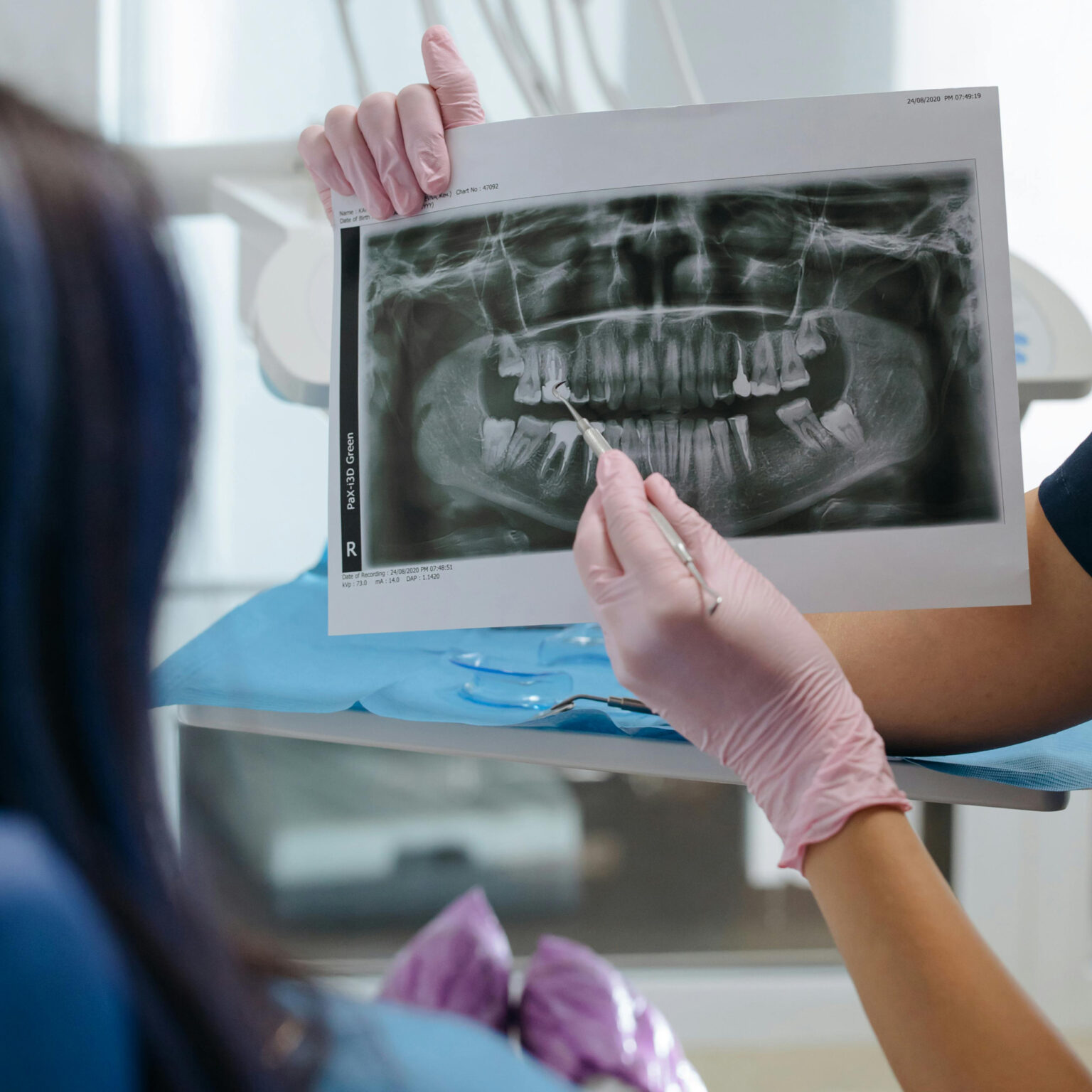
Anyone who has lived with a missing tooth for a while understands that the problem is rarely just cosmetic. Yes, the gap shows when you smile. But what tends to wear people down is the daily friction. Food catches in places it never used to. Speech feels slightly off. Chewing shifts to one side. Over time, even confident, social people start making small adjustments without realizing it.
That is why so many patients ask the same question before treatment: will a dental implant actually feel like a real tooth, or will it always feel like a replacement? In practice, when an implant is planned well, placed carefully, and restored properly, it often becomes the closest thing modern dentistry has to getting your natural tooth back. For many people, after the healing phase passes and the final crown is in place, the implant stops feeling like a dental procedure and starts feeling like part of everyday life.
For patients researching Dental Implants Calabasas CA, that distinction matters. They are not just shopping for a way to fill a space. They want to know whether the result will let them eat comfortably, speak naturally, and stop thinking about the missing tooth altogether.
The reason they feel different from bridges and dentures
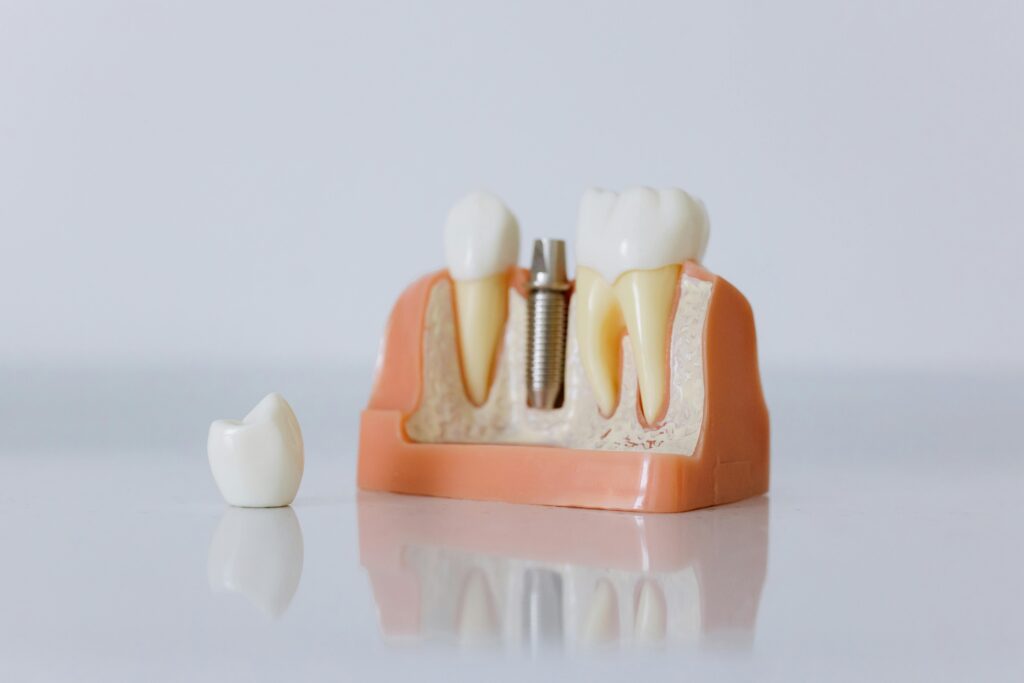
A dental implant replaces the root of the tooth, not just the visible top portion. That single detail explains most of the difference in day-to-day feel.
A traditional bridge rests on neighboring teeth. A removable denture sits on top of the gums. Both can work well in the right situation, but neither becomes part of the jaw in the same way an implant does. An implant is placed in the bone, where the original tooth root used to be. During healing, the bone bonds to the implant surface in a process called osseointegration. Once that bond is stable, the implant has a fixed, grounded quality that removable options simply do not have.
Patients usually describe this in very plain language. They say the implant feels solid. It does not shift. It does not lift when they bite into something firmer. It does not require the subtle muscle adjustments that many denture wearers learn over time. That stability is one of the main reasons implants feel more natural than other tooth replacement options.
There Dental Implants Calabasas CA is another practical advantage that often gets overlooked. Because implants stand independently, they do not rely on adjacent teeth for support. If a patient replaces a single missing molar with an implant, the neighboring teeth can stay untouched. There is no need to reshape healthy enamel for bridge crowns. From both a functional and long-term preservation standpoint, that matters.
The jawbone connection changes everything
Natural teeth are anchored in bone through roots and periodontal ligament structures. Implants do not recreate every microscopic feature of that anatomy, but they do recreate the key idea: support from within the jaw rather than from above the gumline.
That support influences the way force travels when you chew. With a stable implant, biting pressure moves down into the bone instead of pressing broadly onto gum tissue. That gives the bite a more secure, controlled feel. For someone who has struggled with a loose partial denture or a worn bridge, the difference can be immediate.
The bone connection also helps preserve facial and oral structure over time. When a tooth is lost and not replaced with something root-like, the bone in that area can begin to shrink. This is not dramatic overnight, but over months and years it can change contour, spacing, and the support available for future treatment. An implant gives the bone functional stimulation, which helps maintain volume better than leaving the space empty.
Patients often think of dental implants as a tooth replacement above the gumline. Clinically, the more important story is usually happening below the surface.
Why the crown matters just as much as the implant
An implant can be perfectly integrated and still feel odd if the final crown is poorly designed. This is one of the areas where experience shows up.
A natural-feeling implant needs the right bite relationship, correct contour, proper emergence profile from the gumline, and enough space for the tongue and cheek to move normally around it. If the crown is too bulky, the patient notices it every time they speak or swallow. If the bite is too high, the implant may feel like it hits first. If the contact with neighboring teeth is too tight or too loose, flossing and food passage become frustrating.
When the restoration is done well, most patients stop noticing those mechanics entirely. They chew without guarding the area. Their tongue no longer checks the tooth repeatedly. That quiet disappearance from awareness is one of the best signs that the implant restoration is working the way it should.
This is one reason good implant dentistry is not just surgical. It is restorative, aesthetic, and functional all at once. The placement angle, depth, and position must support the final crown, not just fit the bone available on the day of surgery.
Feeling natural does not mean feeling identical in every respect
A careful dentist should be honest about this. Dental implants often feel very natural, but they are not biologically identical to natural teeth.
A natural tooth has a periodontal ligament, which contains sensory receptors that help detect pressure and fine bite changes. An implant does not have that same ligament. Instead, it interfaces directly with bone. Most patients adapt extremely well, and their brains quickly learn the new feedback pattern, but the sensation is not a perfect one-to-one match at a microscopic level.
In real life, that distinction matters less than people fear. Patients are not usually troubled by some abstract difference in tissue architecture. They care whether the implant feels stable, comfortable, and functional. In that sense, a properly restored implant often performs so naturally that the difference becomes clinically interesting but personally unimportant.
There are exceptions. Someone with a very refined bite awareness may notice small differences early on. People who clench or grind may also be more aware of any restoration, whether implant-supported or not. That is why bite adjustment and follow-up matter. The goal is not merely to place the implant, but to make it disappear into normal function.
The role of planning in Calabasas patients with cosmetic expectations
Patients seeking Dental Implants Calabasas CA often place a high value on aesthetics as well as function. That is especially true in the front of the mouth, where “natural” means more than chewing comfortably. It also means matching the translucency, shape, gum contour, and smile line of the surrounding teeth.
This is where digital planning, detailed imaging, and material selection make a visible difference. The implant itself is hidden, but its position affects the gum architecture around the crown. A few millimeters in one direction can influence whether the final result looks effortless or slightly artificial. The restoration material matters too. In some cases, all-ceramic options create a more lifelike appearance, especially in highly visible areas.
Patients are often surprised to learn that the temporary phase can be just as important as the final one. A carefully designed provisional restoration can help shape the gum tissue as it heals. That tissue support can be critical to creating a result that blends naturally with neighboring teeth.
When people say an implant “looks like my tooth,” the work behind that statement is usually far more detailed than they realize.
What patients tend to notice first after healing
The first days after implant placement are not the best measure of how natural it will feel. Early healing includes swelling, tenderness, and general awareness of the surgical site. That is expected. The more useful checkpoint comes after integration and final restoration.
At that stage, patients commonly report a handful of changes that make the implant feel convincingly real:
- They can chew on both sides again without hesitation.
- They stop worrying about the tooth moving or coming loose.
- Their speech feels normal, especially with front tooth replacement.
- Cleaning becomes simple and predictable.
- They no longer think about the missing space during the day.
That last point matters more than it seems. The most successful implant cases are often the ones patients forget about.
Comfort comes from healthy gums, not just strong bone
Bone integration gets most of the attention, but soft tissue health is just as important to long-term comfort. Gums around implants need to be stable, cleanable, and well-supported. If the tissue is thin, inflamed, or difficult to clean around, the implant may technically survive while still feeling annoying or high-maintenance.
This is why hygiene instruction after placement is not a formality. It directly affects how natural the implant feels months and years later. Bleeding, trapped food, or persistent soreness around the implant will keep drawing a patient’s attention back to the area. Clean, healthy tissue lets the restoration fade into the background.
In some cases, patients need grafting, either bone grafting before placement or soft tissue grafting to improve contour and support. Some people initially hear the word graft and assume something has gone wrong. Often, it is simply part of building a healthier foundation for a better final result. The trade-off is more time and cost upfront, in exchange for better function, aesthetics, and tissue stability later.
Why implant location changes the experience
Not every implant feels the same in the same way, because not every tooth has the same job.
A front tooth implant is judged heavily on appearance and speech. Small shape changes can affect how “f” and “v” sounds form against the lip. Tiny asymmetries in the gumline may be visible in photos. Patients with high smile lines tend to notice these details quickly.
A premolar implant sits in a transition zone. It contributes to both smile aesthetics and chewing. It may seem straightforward, but matching contour and bite here still matters.
A molar implant is usually about force and stability. Patients want to chew steak, nuts, apples, or crusty bread without favoring the other side. If the implant crown is slightly off in width or height, the tongue often notices it.
This is why Dental Implants Calabasas CA the phrase “natural feel” can mean slightly different things depending on the tooth being replaced. For one patient, it means nobody can tell. For another, it means eating salad without lettuce wrapping around a dental appliance. For someone else, it means no lisp after replacing a front tooth.
Experience shows up in the small adjustments
One of the least glamorous parts of implant dentistry is also one of the most important: refinement after placement. Even a well-planned case may need minor bite adjustments or contour polishing once the patient starts using the tooth in daily life.
That should not be seen as a failure. It is part of making the restoration function in a real mouth, with real chewing patterns, habits, and muscle forces. A patient may sit in the chair and say, “It feels fine, but I keep touching it with my tongue,” or “It only feels a little off when I bite on something crunchy.” Those comments are useful. Often, they point to a very small correction that dramatically improves comfort.
The best implant results are rarely accidental. They come from careful surgery, thoughtful restorative design, and enough follow-through to fine-tune details.
Cases where an implant may not feel natural right away
It is worth addressing the situations where adaptation takes longer.
If a patient has been missing a tooth for many years, their bite may have shifted. The opposing tooth may have drifted, neighboring teeth may have tipped, and chewing patterns may have compensated around the gap. In those cases, the implant may feel slightly unfamiliar at first simply because normal has changed.
Patients who grind at night can also take longer to settle in. Their bite forces are higher, and they tend to detect pressure points more quickly than others. A night guard is often part of protecting the investment and improving comfort.
Another common issue is expectation. If someone believes the implant will feel completely invisible the moment the crown is inserted, they may be discouraged by a short adaptation period. Most people adjust quite well, but “natural” sometimes arrives over weeks rather than hours.
This is where communication matters. A professional who explains the healing timeline, sensory differences, and likely adjustment period helps the patient interpret normal recovery correctly.
The maintenance side of the equation
One reason implants continue to feel natural over time is that their maintenance routine is usually familiar. Patients brush, floss, and return for professional cleanings. There is no nightly soaking cup, no adhesive, and no removal for cleaning with a single-tooth implant.
That said, implants are not maintenance-free. Plaque can accumulate around them. Inflammation can develop if home care slips or restorative contours trap debris. Smokers, patients with diabetes, and those with a history of periodontal disease may need closer monitoring. None of this means implants are fragile. It means they benefit from the same disciplined care that healthy natural teeth require.
For many patients, the easiest way to understand implant maintenance is this:
- Treat it like a real tooth in your daily routine.
- Keep regular hygiene visits.
- Report bite changes, soreness, or bleeding early.
- Use a night guard if you clench or grind.
- Do not assume “it does not hurt” means “it does not need attention.”
The patients who do best long-term are usually not the ones with perfect mouths. They are the ones who stay engaged after treatment.
Why people in Calabasas often choose implants over other options
Lifestyle has a lot to do with treatment decisions. In an active community where people speak publicly, socialize often, and value both comfort and appearance, a fixed solution has obvious appeal. Patients do not want to think about a removable appliance at dinner, in meetings, or during exercise. They want their tooth replacement to blend into life, not organize life around itself.
That is one reason interest in Dental Implants Calabasas CA remains strong. The appeal is practical. Implants preserve bone better than doing nothing. They avoid preparing adjacent healthy teeth in many single-tooth cases. They stay put. When executed properly, they support a smile that looks believable and a bite that functions with confidence.
Cost is a real consideration, and it should be discussed honestly. Implants usually require a higher upfront investment than a partial denture or some bridge options. But when patients weigh longevity, stability, comfort, and preservation of neighboring teeth, many decide the value is there. Not every patient is the right candidate, and not every missing tooth must be replaced with an implant, but the reasons people choose them are usually grounded in everyday quality of life rather than trend.
What “natural” really means at the end of the process
For dentists, “natural” can refer to contour, occlusion, tissue response, and radiographic stability. For patients, the definition is simpler.
Natural means biting into a sandwich without thinking about it. It means laughing without checking the angle of your smile. It means speaking clearly on the phone, taking photos without planning around a gap, and sitting through a meal without mentally tracking what the tooth replacement is doing.
Dental implants come closest to that standard because they replace the missing root, support the jawbone, and hold a fixed crown in a way that mimics the stability of a real tooth. They are not magic, and they are not a perfect biological duplicate. But in daily life, when treatment is done thoughtfully and maintained well, they often achieve something better than a cosmetic patch. They restore normalcy.
That is why so many people who once obsessed over a missing tooth eventually say the same thing after a successful implant: “I don’t even notice it anymore.” In dentistry, that is about as high a compliment as a restoration can receive.
Oaks Dental
5000 Parkway Calabasas, Suite 308
Calabasas, CA 91302, United States
Phone: +1 (818) 412-8349
FAQ About Dental Implants Calabasas CA
How much does a dental implant cost in California?
Costs vary with the number of teeth replaced, restoration type, imaging, and any extractions or bone grafting. Request an itemized estimate after an examination; a single advertised price may not include every treatment stage.
Can people with autoimmune disease get dental implants?
Some people may qualify, but the condition, medications, oral health, and healing risks require individual assessment. Share your medical history with your dentist, who may coordinate with your treating physician.
Can you have dental implants if you have osteopenia?
Osteopenia does not by itself establish whether implants are suitable. Your dentist must evaluate jawbone support and review bone-related medications and other risks before recommending treatment.